
Adapting IT Strategies for Seasonal Business Demands


Understanding Seasonal Business Demands
Seasonal fluctuations are a reality that many businesses face, affecting everything from staffing to stock levels. For companies reliant on seasonal demand, adapting IT strategies is crucial to ensure smooth operations and capitalize on peak times. By aligning IT infrastructure and services with business cycles, companies can optimize performance and enhance customer satisfaction.

Assessing IT Infrastructure Needs
Before making any changes, it's essential to assess the current IT infrastructure. Understanding the demands during peak and off-peak seasons helps in identifying potential bottlenecks. Businesses should evaluate their current technology capabilities and determine if they can handle increased loads during busy periods.
Consider whether your existing systems can scale effectively. If not, it might be time to look into cloud solutions or additional IT support. This assessment will guide the necessary adjustments and investments to meet seasonal demands efficiently.
Implementing Scalable Solutions
Scalability is key when adapting IT strategies. Utilizing cloud-based services allows businesses to scale resources up or down based on demand. This flexibility ensures that companies only pay for what they use, making it a cost-effective solution for managing seasonal spikes.
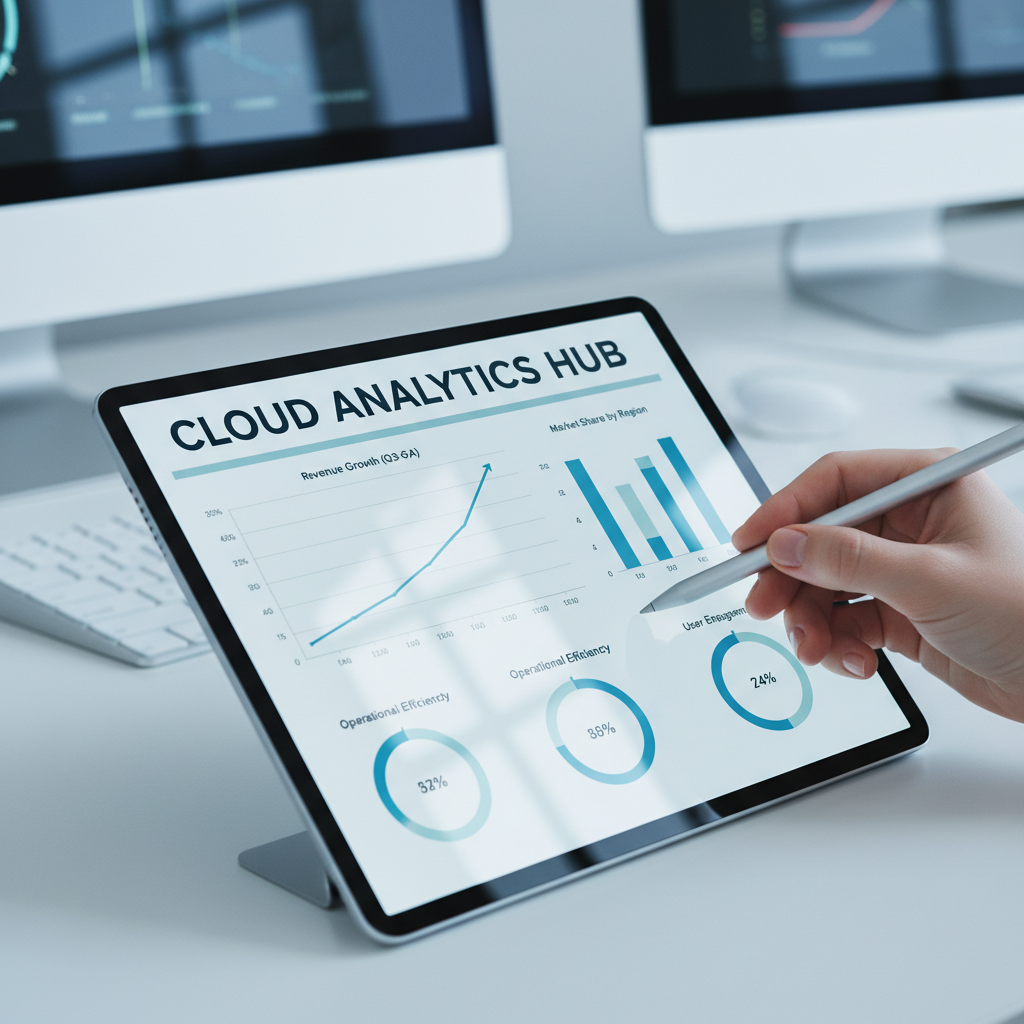
Additionally, implementing scalable solutions can prevent system overloads, reducing the risk of downtime and ensuring that operations remain uninterrupted during peak times. This approach not only improves efficiency but also enhances the customer experience.
Enhancing Data Management
Effective data management is crucial during seasonal peaks. Businesses should ensure that their data storage solutions are robust enough to handle increased transactions and customer interactions. Implementing advanced analytics tools can also provide valuable insights into consumer behavior, helping businesses to refine their strategies.
- Use data analytics to predict demand trends.
- Optimize inventory based on data-driven insights.
- Enhance customer targeting with personalized marketing.

Strengthening Cybersecurity
With increased online activity during peak seasons, the risk of cyber threats also rises. Strengthening cybersecurity measures should be a priority to protect sensitive data and maintain customer trust. Implementing advanced security protocols and regular system audits can help mitigate potential risks.
Regular employee training on cybersecurity best practices ensures that all staff members are aware of potential threats and know how to respond effectively. This proactive approach can safeguard your business during high-traffic periods.
Planning for Continuity and Support
Business continuity planning is essential to address unexpected disruptions during peak times. Establish clear protocols for disaster recovery and ensure that IT support is readily available to handle any issues that may arise.
Having a dedicated IT support team or reliable third-party provider can minimize downtime and ensure that technical problems do not impact business operations. This preparation is crucial for maintaining customer satisfaction and protecting revenue during critical periods.