
How to Leverage Technology Integration for Risk Mitigation


Understanding Risk Mitigation through Technology Integration
In today's fast-paced business environment, leveraging technology integration for risk mitigation is more important than ever. By effectively combining various technological solutions, businesses can proactively identify, assess, and manage potential risks. This approach not only safeguards assets but also enhances operational efficiency.

The Role of Data Analytics in Risk Management
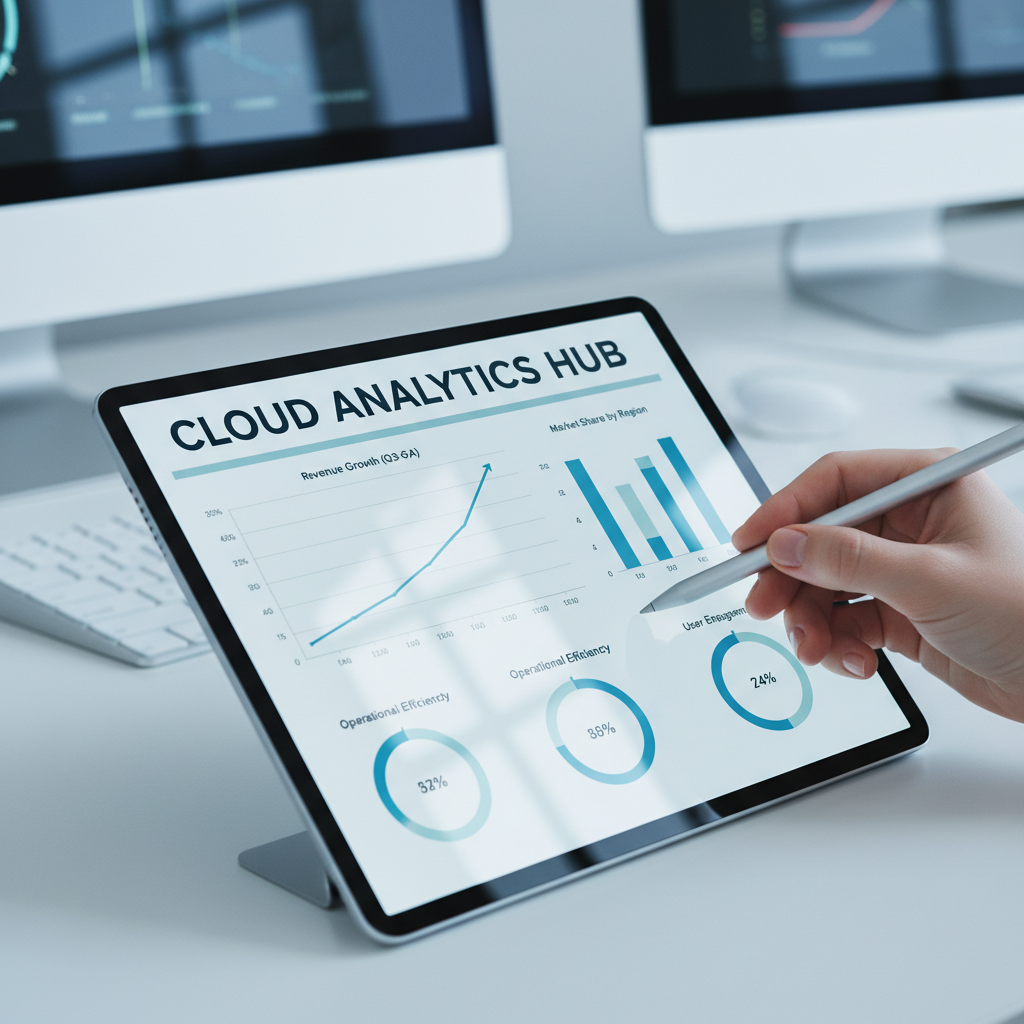
Data analytics plays a crucial role in identifying trends and patterns that could indicate potential risks. By analyzing large datasets, businesses can detect anomalies and predict future challenges. Implementing robust data analytics tools allows organizations to make informed decisions, minimizing the impact of unforeseen events.
Furthermore, data visualization tools can transform complex data into easily understandable insights. This helps stakeholders quickly grasp risk factors and take appropriate action. Investing in these technologies ensures that companies stay ahead of potential threats.
Cybersecurity: A Key Component of Risk Mitigation
Cybersecurity is an essential aspect of technology integration for risk mitigation. With the increasing number of cyber threats, businesses must adopt advanced security measures to protect sensitive information. Implementing firewalls, encryption, and regular security audits can significantly reduce the risk of data breaches.
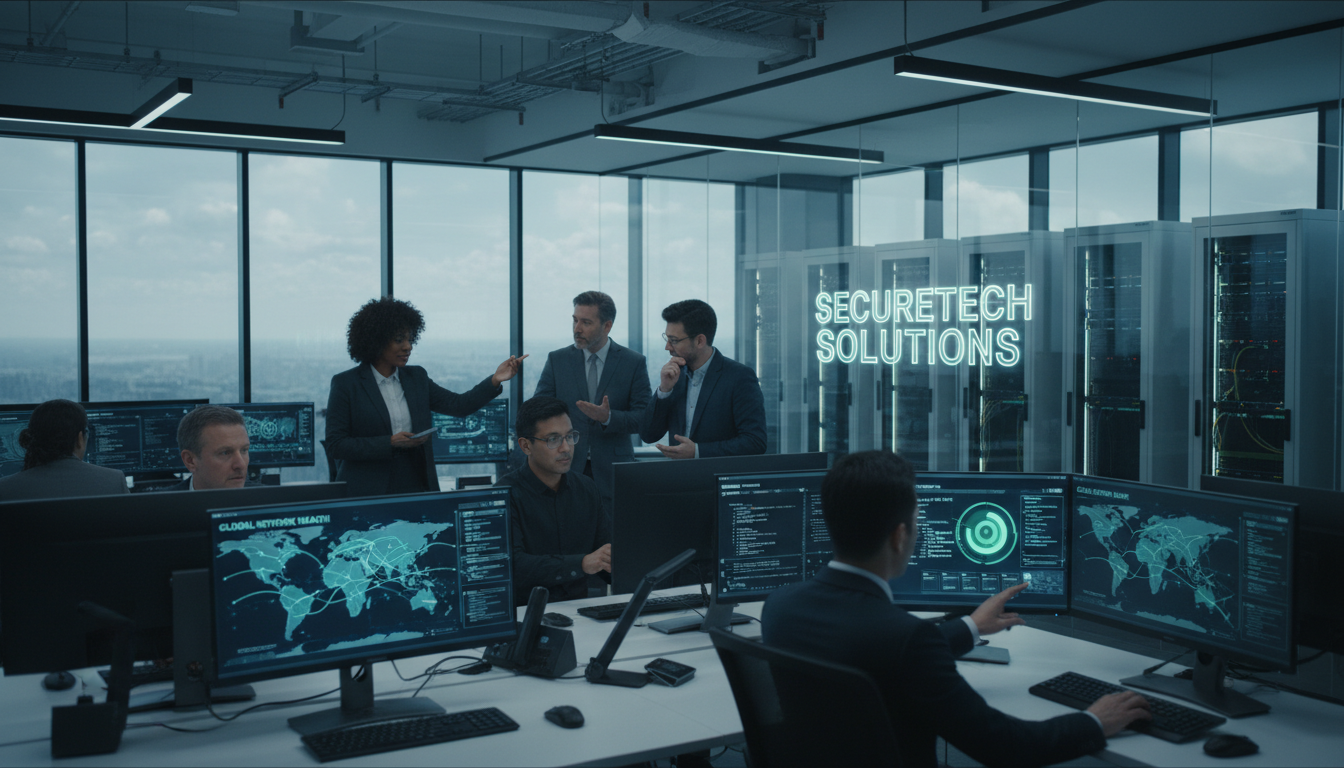
Additionally, employee training on cybersecurity best practices is crucial. By educating staff on identifying phishing attempts and other threats, companies can create a more secure digital environment. This proactive stance on cybersecurity helps safeguard both company and client data.
Automation and AI in Risk Assessment
Automation and artificial intelligence (AI) are revolutionizing risk assessment processes. By automating routine tasks, businesses can reduce human error and increase efficiency. AI-driven algorithms can continuously monitor systems for irregularities, providing real-time alerts for any potential risks.
Moreover, AI can simulate various scenarios to predict possible outcomes, allowing organizations to prepare contingency plans. This capability enhances a company's ability to respond swiftly and effectively to emerging threats.
Integrating IoT for Enhanced Monitoring
The Internet of Things (IoT) offers unprecedented opportunities for real-time monitoring and control. By integrating IoT devices, businesses can gather valuable data from physical assets and environments. This data can be used to predict equipment failures, optimize maintenance schedules, and reduce downtime.
- Enhanced asset tracking
- Real-time environmental monitoring
- Predictive maintenance capabilities
These benefits not only mitigate risks but also lead to cost savings and improved operational efficiency.
Cloud Computing: Flexibility and Security
Cloud computing provides scalable and secure solutions for data storage and processing. By migrating to the cloud, companies can ensure data redundancy and disaster recovery capabilities. Cloud platforms offer robust security protocols to protect against unauthorized access and data loss.
Additionally, the flexibility of cloud services allows businesses to adapt quickly to changing needs, ensuring continuity in the face of unexpected disruptions. This adaptability is crucial for maintaining resilience in today's dynamic market landscape.