
Risk Management Strategies for Modern Enterprises


Understanding Risk Management
In today's dynamic business environment, risk management has emerged as a crucial strategy for modern enterprises. Companies face a multitude of risks ranging from financial uncertainties to cybersecurity threats. Understanding and managing these risks is essential for sustainable growth and long-term success.
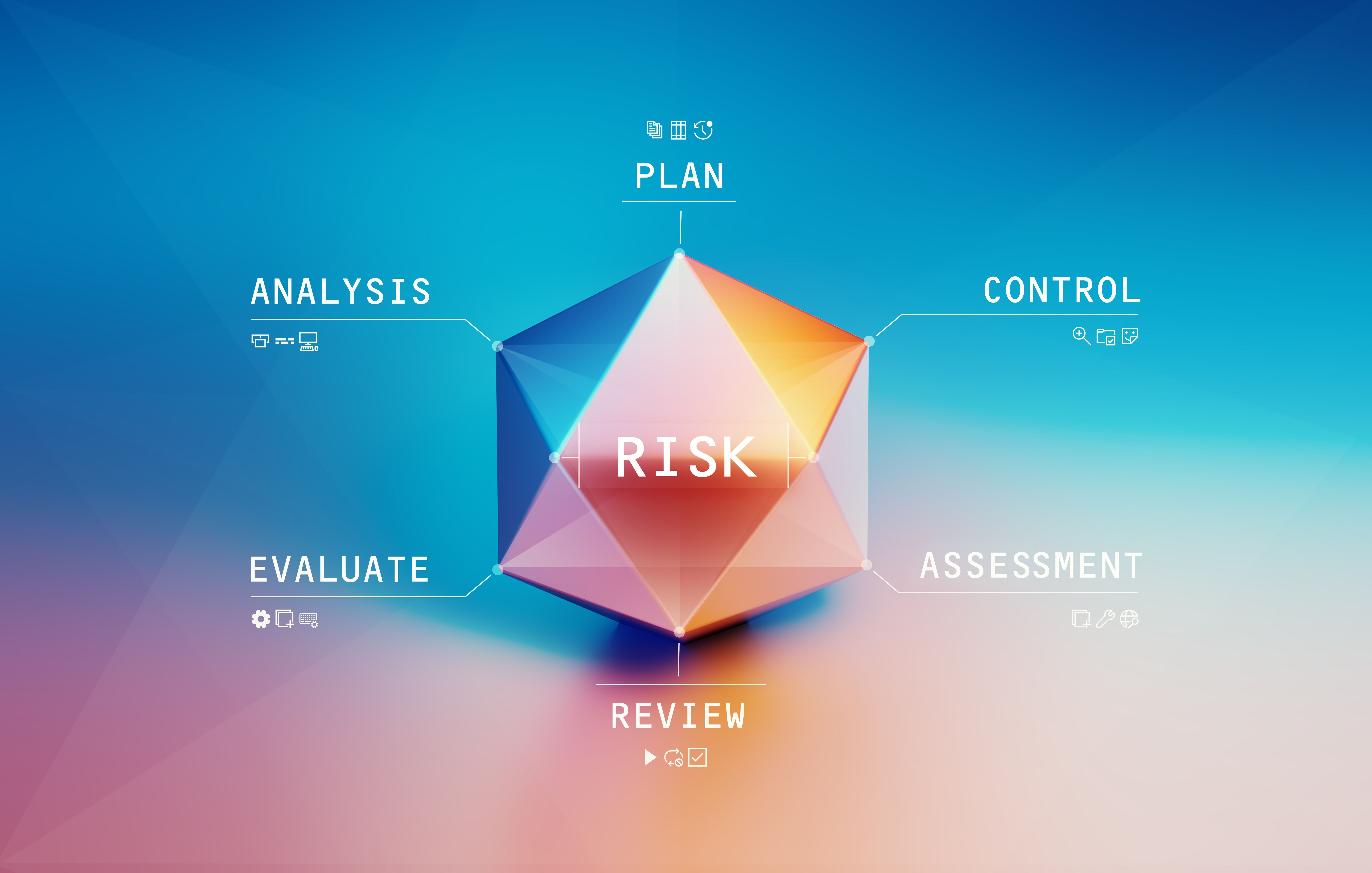
Risk management involves identifying, assessing, and prioritizing risks followed by coordinated efforts to minimize, monitor, and control the probability or impact of unfortunate events. The ultimate goal is to ensure that the organization achieves its objectives while safeguarding its assets.
Identifying Risks
The first step in risk management is the identification of potential risks. This involves a comprehensive analysis of both internal and external factors that could negatively impact the business. Common risk categories include strategic, operational, financial, and compliance risks.
Enterprises can employ various tools and techniques, such as SWOT analysis and risk assessments, to uncover potential vulnerabilities. Regular reviews and updates are crucial as the business landscape is constantly evolving.
Strategic Risks
Strategic risks can arise from poor business decisions, inadequate resource allocation, or failure to respond to market changes. Companies must continuously evaluate their strategies and adjust their plans to stay competitive.

Assessing and Prioritizing Risks
Once risks are identified, they must be assessed and prioritized. This involves evaluating the likelihood of each risk occurring and the potential impact on the organization. Quantitative and qualitative methods can be used to estimate risks, creating a risk matrix to help visualize this process.
By prioritizing risks, enterprises can allocate resources more effectively, focusing on high-impact and high-probability risks first. This ensures that the most critical threats are addressed promptly, reducing potential damage.
Risk Mitigation Strategies
After prioritizing, companies need to develop strategies to mitigate risks. Common approaches include:
- Risk Avoidance: Altering plans to sidestep potential risks.
- Risk Reduction: Implementing measures to minimize impact.
- Risk Sharing: Transferring risk through insurance or partnerships.
- Risk Acceptance: Acknowledging the risk and preparing to manage its impact.

Monitoring and Reviewing
Effective risk management is not a one-time task but an ongoing process. Regular monitoring and reviewing of risks ensure that strategies remain relevant and effective. This involves tracking key risk indicators and adjusting plans as necessary to accommodate new threats and opportunities.
Organizations should foster a culture of risk awareness, encouraging employees at all levels to engage in proactive risk management. Training and communication are key components of building this culture.
Leveraging Technology
Modern enterprises can leverage technology to enhance their risk management efforts. Tools such as data analytics, artificial intelligence, and machine learning can provide valuable insights into potential risks and help automate parts of the risk management process.

In conclusion, risk management strategies are vital for modern enterprises seeking to thrive in a complex and unpredictable world. By systematically identifying, assessing, and managing risks, businesses can safeguard their interests and seize new opportunities with confidence.