
The Future of IT Infrastructure Management: Trends and Innovations


Understanding IT Infrastructure Management
In today's rapidly evolving digital landscape, IT infrastructure management is more crucial than ever. It encompasses the coordination of physical and virtual resources that support the storage, processing, and analysis of data. As businesses grow increasingly reliant on technology, effective management of these resources becomes vital for operational efficiency and competitive advantage.

Cloud Computing and Hybrid Solutions
Cloud computing has dramatically transformed IT infrastructure management. It offers scalability, flexibility, and cost-efficiency, making it a preferred choice for many organizations. However, hybrid solutions, which integrate on-premises and cloud resources, are gaining traction. These solutions offer the best of both worlds, allowing businesses to maintain control over sensitive data while benefiting from cloud scalability.
Hybrid cloud environments enable organizations to optimize their infrastructure by leveraging various platforms based on specific needs. This approach not only enhances agility but also reduces downtime and improves disaster recovery capabilities.
The Role of AI and Automation
Artificial Intelligence (AI) and automation are revolutionizing IT infrastructure management. AI-powered tools can predict and mitigate potential issues before they impact operations, while automation streamlines routine tasks. This combination leads to a more proactive and efficient management approach.

With AI, businesses can analyze vast amounts of data to uncover insights that drive better decision-making. Automation, on the other hand, reduces human error and frees up IT professionals to focus on strategic initiatives.
Embracing Edge Computing
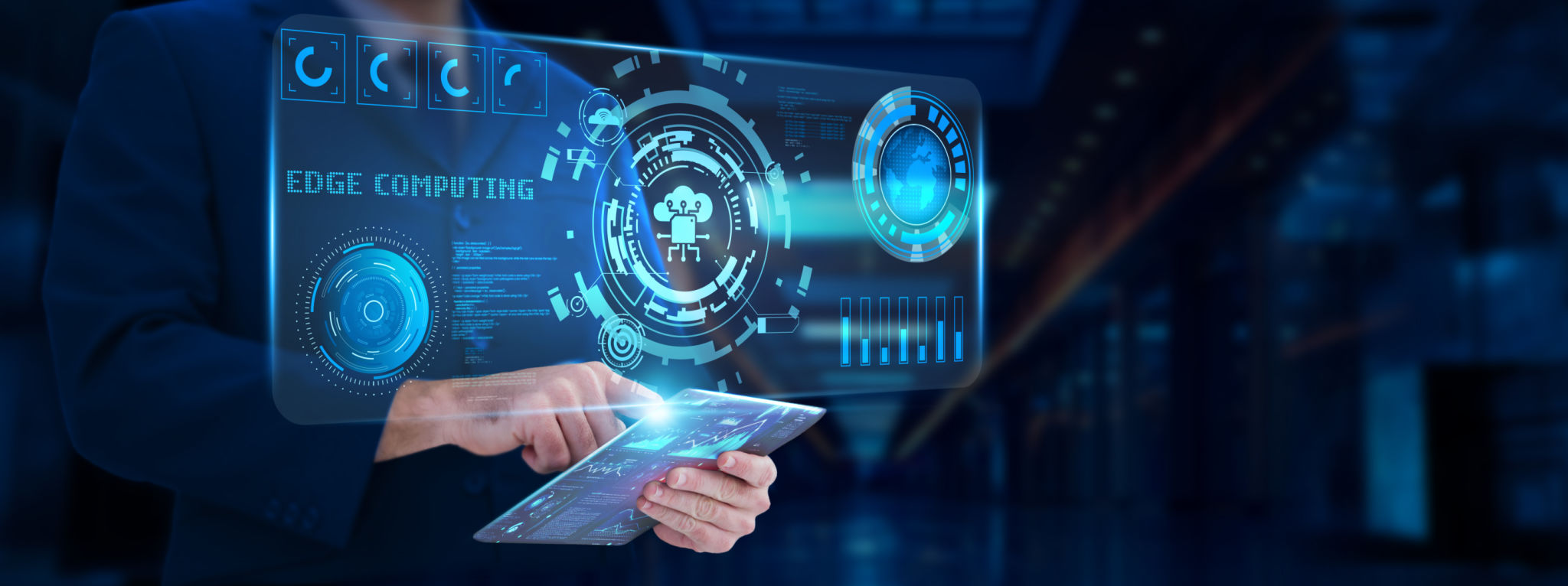
Edge computing is emerging as a significant trend in IT infrastructure management. By processing data closer to the source, edge computing reduces latency and improves the performance of applications. This is particularly beneficial for industries that require real-time data processing, such as healthcare and finance.
Implementing edge computing can enhance user experiences by providing faster response times and reducing the load on central data centers. As IoT devices continue to proliferate, the demand for edge computing solutions is expected to grow.
Security and Compliance Considerations
As IT infrastructure becomes more complex, ensuring security and compliance is increasingly challenging. Organizations must adopt robust security measures to protect against cyber threats and comply with regulations such as GDPR and HIPAA.
Implementing comprehensive security protocols, conducting regular audits, and investing in cybersecurity technologies are essential steps in safeguarding IT infrastructure. Proactive measures not only protect sensitive data but also build trust with clients and stakeholders.
Looking Ahead: The Future of IT Infrastructure
The future of IT infrastructure management is promising, with continuous innovations driving improvements in efficiency, security, and scalability. Emerging technologies such as quantum computing and 5G are set to further transform the landscape, offering new opportunities and challenges.

Organizations that stay ahead of these trends by adopting innovative solutions and adapting to changes will be better positioned to thrive in the digital age. The key lies in embracing flexibility and fostering a culture of continuous learning and improvement.