
Top Trends in Technology Integration for Future-Ready Enterprises


Embracing Artificial Intelligence
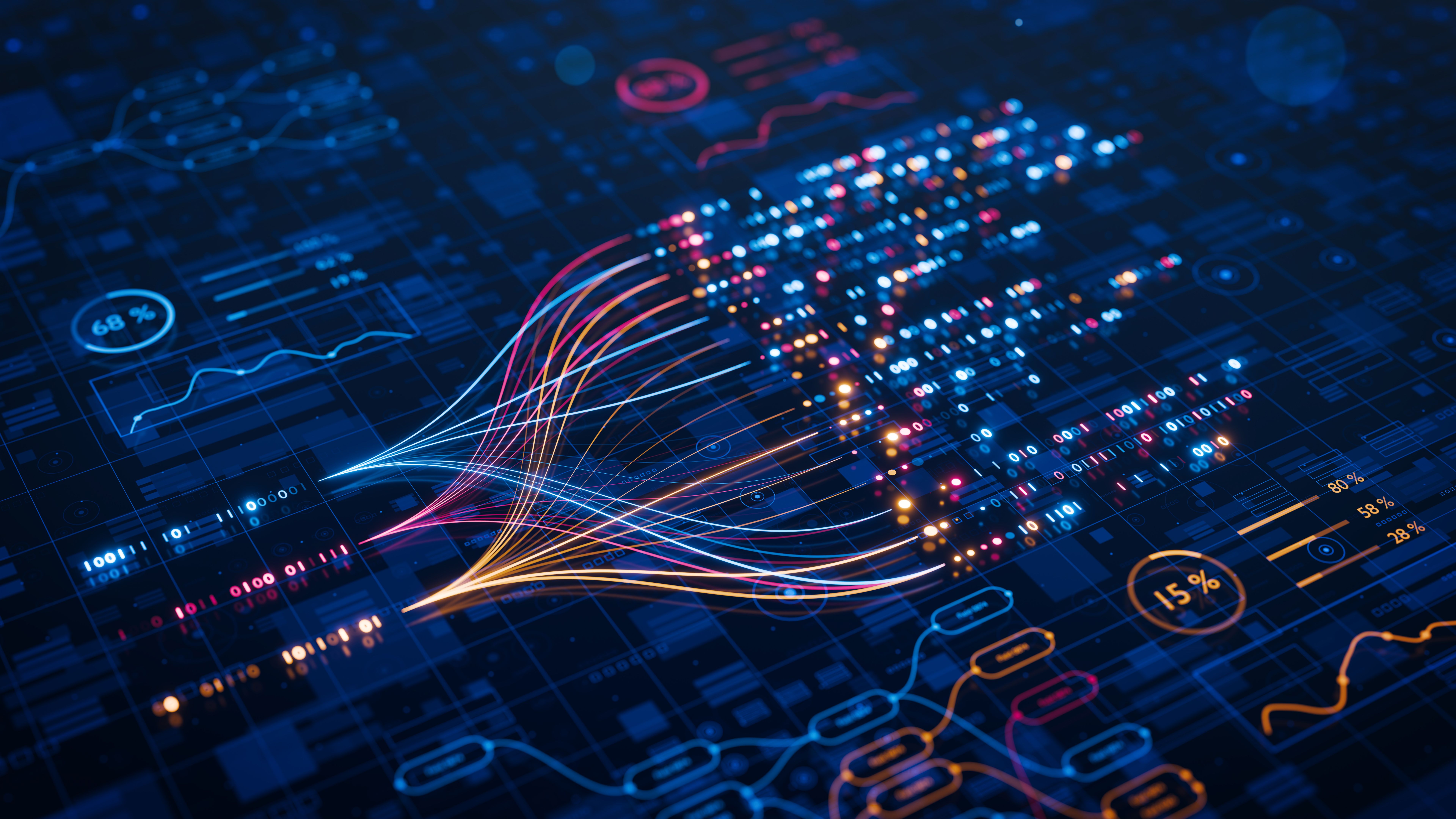
Artificial Intelligence (AI) continues to be a transformative force in the world of business. Enterprises are leveraging AI to enhance decision-making processes, improve customer experiences, and streamline operations. By integrating AI-driven analytics, companies can gain deeper insights into market trends and consumer behavior, leading to more informed strategies.
AI in Customer Service
One of the most impactful uses of AI in enterprises is in customer service. AI-powered chatbots and virtual assistants provide 24/7 support, addressing customer queries efficiently and reducing response times. This technology not only boosts customer satisfaction but also allows human agents to focus on more complex issues.
Adopting Cloud Computing
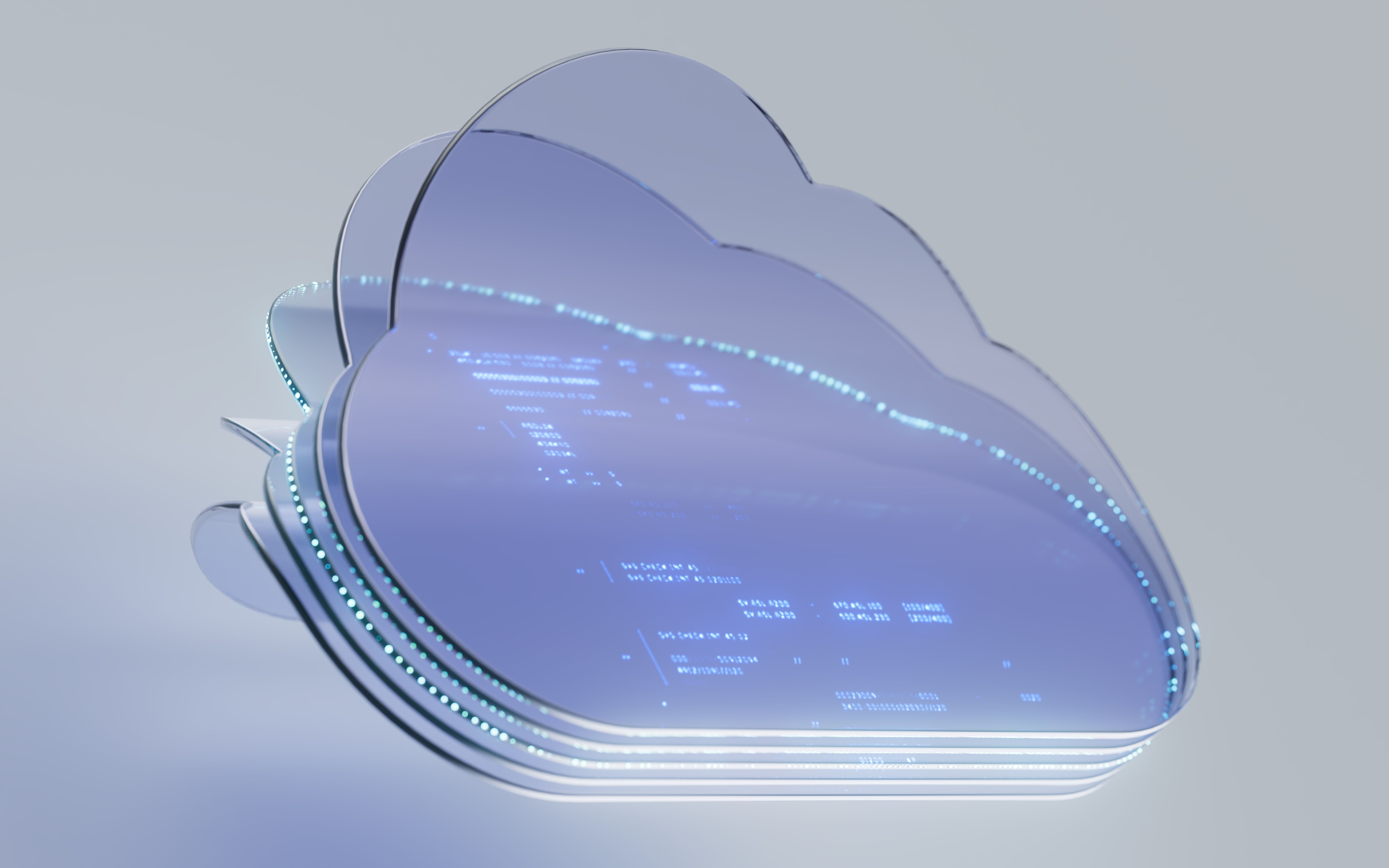
Cloud computing is another significant trend that future-ready enterprises are embracing. The shift to cloud-based solutions offers numerous advantages, such as scalability, flexibility, and cost-efficiency. By utilizing cloud services, businesses can quickly adapt to changing demands and reduce their reliance on physical infrastructure.
Hybrid Cloud Solutions
Many companies are adopting hybrid cloud models, which combine private and public cloud services. This approach allows organizations to balance security with scalability, ensuring that sensitive data remains protected while benefiting from the flexibility of the cloud.
Emphasizing Cybersecurity
As technology becomes more integrated into business operations, cybersecurity has become a top priority. With increasing threats from cyberattacks, enterprises must invest in robust security measures to protect their data and systems. This includes implementing advanced encryption, multi-factor authentication, and regular security audits.

Employee Training
To strengthen cybersecurity, it’s crucial to conduct regular training sessions for employees. Educating staff about potential threats and best practices can significantly reduce the risk of security breaches. A well-informed workforce is a critical component of a comprehensive cybersecurity strategy.
Leveraging the Internet of Things (IoT)
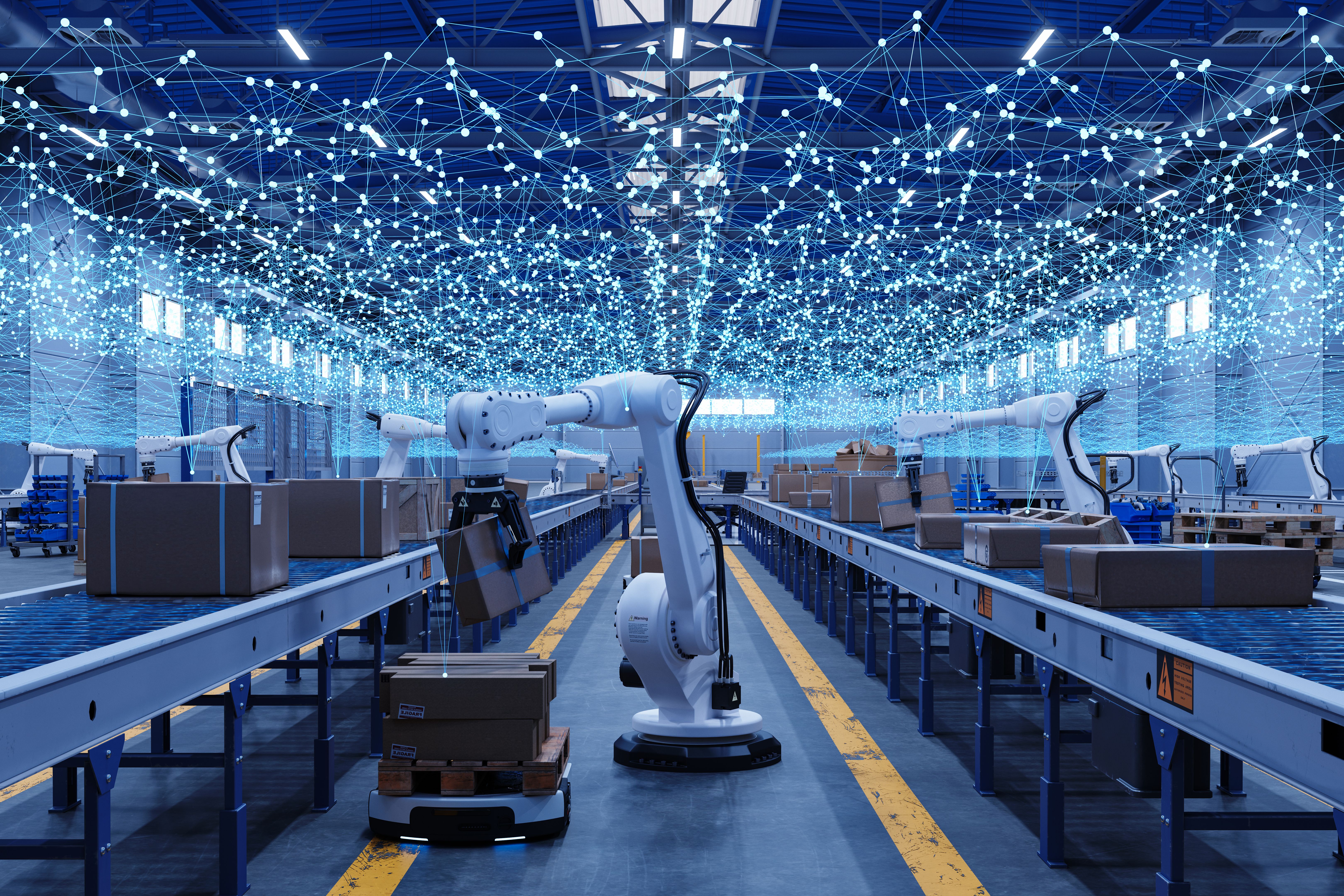
The Internet of Things (IoT) is playing an increasingly important role in modern enterprises. By connecting devices and systems, IoT enables real-time data collection and analysis, leading to improved operational efficiency and innovation. Companies are using IoT to optimize supply chains, monitor equipment health, and enhance customer experiences.
IoT in Manufacturing
In the manufacturing sector, IoT is revolutionizing production processes. Smart sensors and connected devices allow for predictive maintenance, reducing downtime and increasing productivity. This technology also facilitates better resource management and energy efficiency.
Conclusion
The integration of these cutting-edge technologies is essential for enterprises aiming to remain competitive in the future. By adopting AI, cloud computing, robust cybersecurity measures, and IoT, businesses can create more agile, efficient, and secure operations. Staying ahead of these trends ensures that enterprises are not just ready for the future, but are actively shaping it.