
Understanding Risk Management in Tech: A Consultant's Perspective


Introduction to Risk Management in Tech
In the rapidly evolving world of technology, understanding and managing risks is crucial for success. As a consultant, it's vital to grasp the complexities involved in risk management to ensure that tech projects are not only innovative but also secure and sustainable. This blog post delves into key aspects of risk management in the tech industry from a consultant's perspective.
Identifying Potential Risks
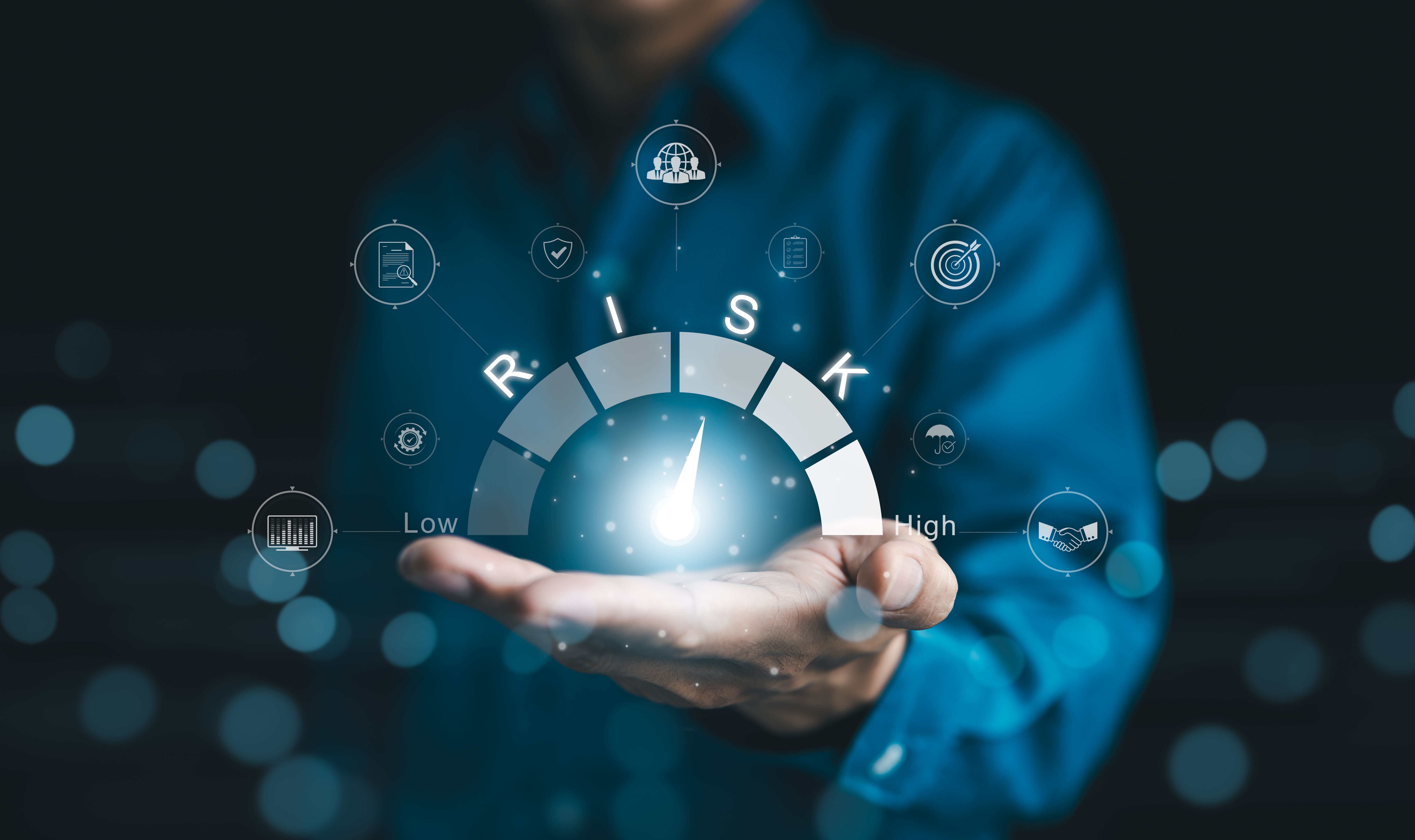
The first step in effective risk management is identifying potential risks. This involves analyzing every aspect of a tech project, from initial development stages to deployment and maintenance. Common risks include data breaches, software failures, and compliance issues. By recognizing these risks early, consultants can devise strategies to mitigate them.
Consultants often use various tools and techniques to identify risks. These include risk assessments, SWOT analysis, and stakeholder interviews. Each method provides unique insights, helping to create a comprehensive risk profile for the project.
Assessing Impact and Likelihood
Once risks are identified, the next step is to assess their potential impact and likelihood. This assessment helps prioritize which risks need immediate attention and which can be monitored over time. Typically, risks are categorized into high, medium, and low categories based on their potential to disrupt operations.

Consultants play a critical role in this phase, as their expertise allows them to foresee the implications of various risks. This foresight enables companies to allocate resources effectively and prepare for potential challenges.
Developing Risk Mitigation Strategies
Developing strategies to mitigate risks is where consultants truly add value. These strategies may include technological solutions like implementing advanced security protocols or process-oriented approaches such as regular audits and compliance checks. The goal is to reduce the potential impact of risks on the organization's objectives.
- Implementing robust cybersecurity measures
- Conducting regular training for employees
- Establishing contingency plans for critical failures
Monitoring and Reviewing Risks
Risk management is an ongoing process. Consultants must continuously monitor the risk landscape to identify new threats and review the effectiveness of existing strategies. This involves regular communication with stakeholders and updating risk management plans as needed.

By staying proactive, consultants can ensure that their clients are well-prepared to handle any challenges that may arise, safeguarding both their technological investments and their reputation in the industry.
Conclusion
In conclusion, understanding risk management in tech from a consultant's perspective involves a blend of identifying, assessing, and mitigating risks. It requires a strategic approach to protect organizations from potential threats and ensure long-term success. By leveraging their expertise, consultants help tech companies navigate the complex landscape of risk management, paving the way for innovation and growth.