
Understanding the Value of Fixed-Fee Projects in Consulting Services


Introduction to Fixed-Fee Projects
In the consulting world, project pricing models play a crucial role in defining the relationship between consultants and their clients. One of the most popular models is the fixed-fee project. This model offers a myriad of benefits that can lead to successful and mutually beneficial engagements.

What Are Fixed-Fee Projects?
A fixed-fee project involves setting a predetermined price for the entire scope of work. This pricing model contrasts with hourly billing, where clients pay for the time spent on a project. By agreeing on a fixed price, both parties have clarity on costs, which can enhance trust and collaboration.
Advantages of Fixed-Fee Projects
Fixed-fee projects come with several advantages for both consultants and clients. For consultants, it ensures that they receive a predictable income, allowing for better financial planning. Clients benefit from knowing the exact cost upfront, reducing the risk of budget overruns.

Ensuring Project Success
For a fixed-fee project to be successful, it's essential to have a clear understanding of the project's scope. Both parties should engage in detailed discussions to outline deliverables, timelines, and expectations. This upfront clarity is crucial for avoiding misunderstandings and ensuring project success.
Managing Risks
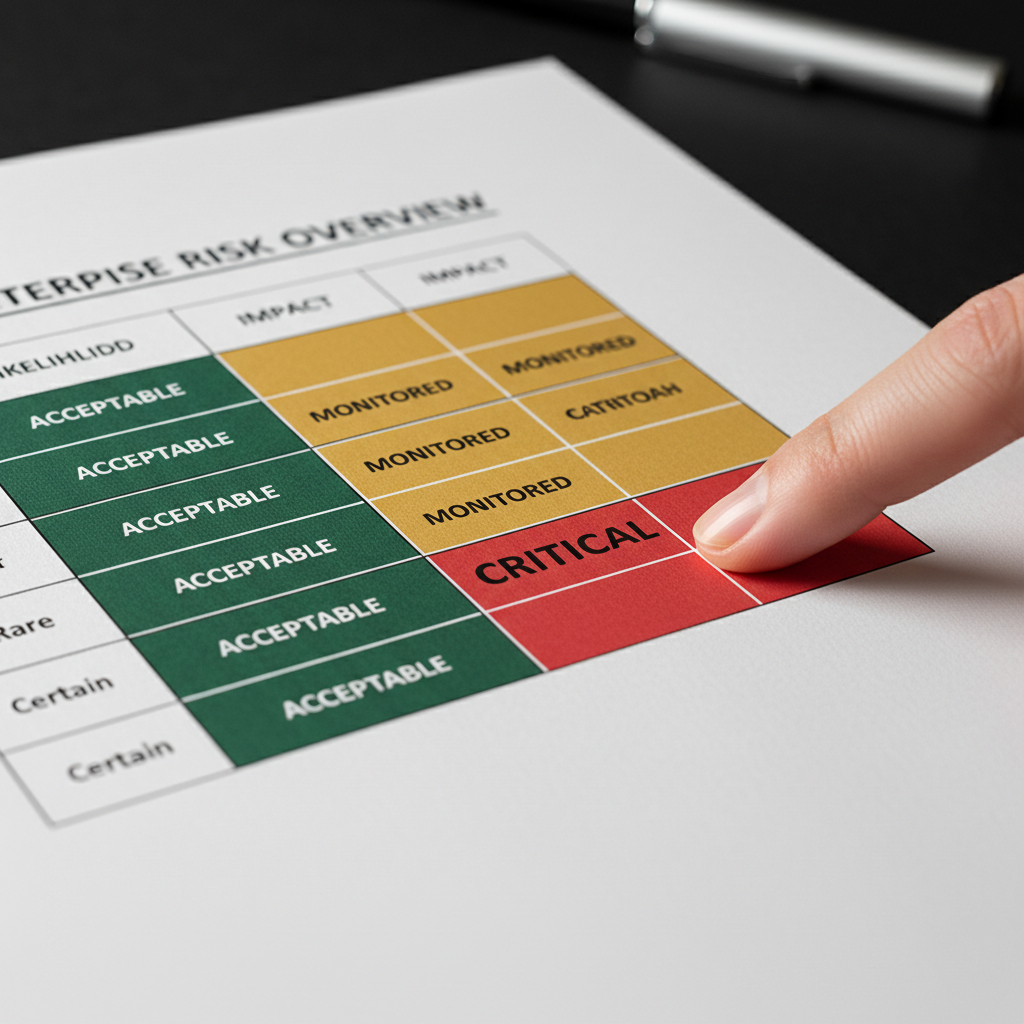
While fixed-fee projects offer stability, they also come with risks. For consultants, underestimating the time or resources needed can affect profitability. Therefore, it's vital to conduct thorough project assessments and include contingency plans to mitigate potential risks.
Building Strong Client Relationships
Fixed-fee projects can foster stronger client relationships. With a clear financial agreement in place, both parties can focus on quality and results rather than hourly costs. This alignment can lead to higher satisfaction and the potential for long-term partnerships.
Flexibility and Adaptation
One potential challenge with fixed-fee projects is the need for flexibility. Changes in project scope can lead to renegotiations. To handle this, it's beneficial to include terms for scope changes in the initial contract, ensuring both parties remain aligned even if project needs evolve.
Conclusion
Understanding the value of fixed-fee projects in consulting services is essential for both consultants and clients. By providing financial clarity and fostering strong relationships, this pricing model can lead to successful and rewarding project outcomes. When executed with careful planning and clear communication, fixed-fee projects can be a powerful tool in the consulting industry.